
What is EMC and why do products fail?
EMC (electromagnetic compatibility) is a product’s ability to work without emitting excessive interference and without being disturbed by its environment.
Products typically fail because of poor grounding and return paths, unfiltered switching converters and emissions from cables.
Which directives and standards usually apply?
Depending on the product: the EMC Directive 2014/30/EU, RED 2014/53/EU for radio equipment and LVD 2014/35/EU, with harmonised standards such as EN 55032, EN 55035 and EN 61000-6-x. Applicability must be confirmed for each product.
How does CE self-certification work?
For most electronic products CE marking is a self-declaration: the manufacturer compiles a technical file and signs a Declaration of Conformity. We apply EMC design techniques (stack-up, grounding, filtering, layout of switching converters), prepare the technical file and the Declaration of Conformity for your signature, and coordinate with an accredited laboratory when a test report is required. As the manufacturer, you sign the Declaration and remain responsible for it.
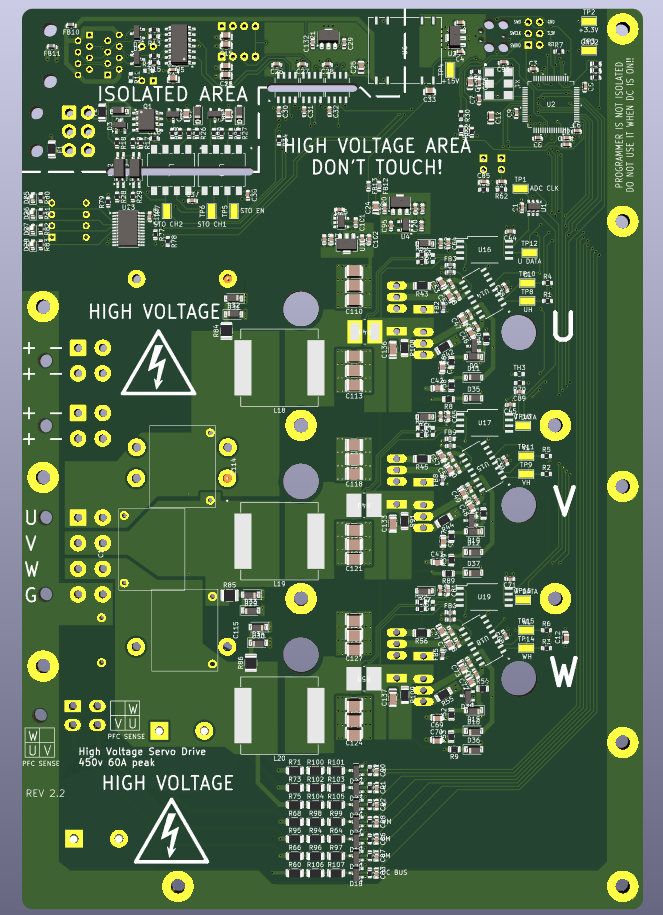
Example projects
Frequently asked questions
Can you handle CE marking for my product?
Yes, up to your signature. We prepare the technical file and the Declaration of Conformity for you to sign as the manufacturer, and coordinate any tests needed with accredited laboratories.
Can you fix a product that failed EMC?
We can review a failed design and redesign the parts causing the emission or immunity problems.
Last updated: 2026-10-20